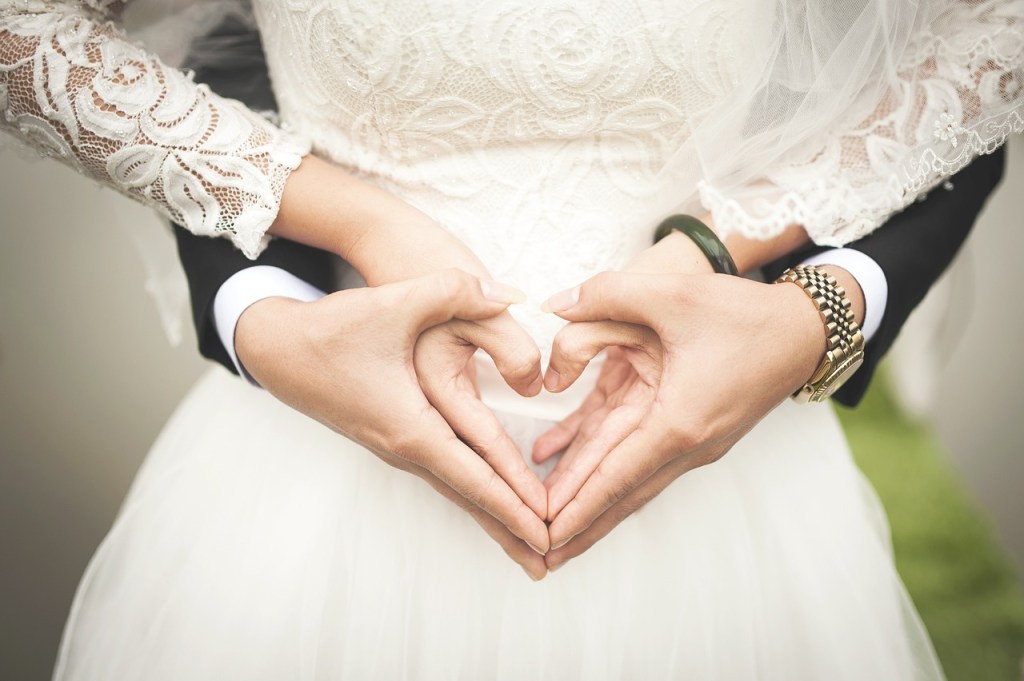
Weddings and marriages are two terms that are often used interchangeably, but they have distinct meanings and connotations. A wedding is a ceremonial event that marks the beginning of a marriage, whereas marriage is a legal and social union between two individuals. Both weddings and marriages hold immense significance in various cultures around the world.
Understanding the concept of a wedding
A wedding is a joyous occasion where two individuals publicly declare their commitment to each other in the presence of their loved ones. It is a celebration of love, unity, and the start of a new chapter in their lives. Weddings often involve various traditions and rituals that vary across cultures, but they all share the common goal of bringing people together to witness and celebrate the union of two individuals.
The significance of weddings in different cultures
Weddings hold immense cultural significance in different societies. They are often seen as a way to strengthen family ties, create alliances between families, or even as a means of social status. In some cultures, weddings are extravagant affairs that span multiple days and involve numerous customs and traditions. They are seen as a way to showcase wealth, honor traditions, and bring communities together. In other cultures, weddings are more intimate and focus on the union between the couple and their immediate families.
Exploring the meaning of marriage
Marriage, on the other hand, is a legally recognized union between two individuals. It involves not only emotional and romantic commitment but also legal rights and responsibilities. Marriage provides a framework for building a life together, sharing assets, making important decisions, and supporting each other through thick and thin. While weddings mark the beginning of a marriage, the true essence of marriage lies in the everyday commitment, love, and support that couples provide to each other.
Differences between weddings and marriages
The main difference between weddings and marriages lies in their nature. Weddings are a one-time event, a celebration that marks the beginning of a marriage. On the other hand, marriages are a lifelong commitment that goes beyond the wedding day. While weddings are often filled with excitement and grandeur, marriages require continuous effort, compromise, and dedication to make the relationship thrive.
The legal aspects of weddings and marriages
Weddings and marriages have legal implications that vary across countries and jurisdictions. Weddings often involve obtaining a marriage license or certificate, which legally recognizes the union. Additionally, weddings may require witnesses and an officiant to officiate the ceremony. Marriage, on the other hand, grants couples legal rights and responsibilities, such as property rights, tax benefits, and the ability to make medical decisions for each other.
Wedding traditions and rituals
Wedding traditions and rituals differ greatly across cultures. Some common wedding traditions include exchanging vows, exchanging rings, the first dance, and cutting the wedding cake. Additionally, cultural customs such as the breaking of a glass, the tying of knots, or the lighting of candles may be incorporated into the ceremony. These traditions and rituals add meaning and symbolism to the wedding day, reflecting the values and beliefs of the couple and their culture.
The role of love and commitment in marriages
While weddings are often seen as a celebration of love, it is the commitment that fuels a successful marriage. Love is the foundation of a strong marriage, but it requires more than just love to sustain a lifelong partnership. Commitment, communication, trust, and understanding are essential components of a healthy and thriving marriage. Couples must continually work on their relationship, navigate challenges together, and nurture their love to ensure a long-lasting and fulfilling marriage.
Challenges faced in weddings and marriages
Both weddings and marriages can present challenges that couples must navigate. Wedding planning can be stressful, with decisions to be made, budgets to be managed, and family dynamics to navigate. It is important for couples to communicate openly, compromise, and prioritize their values and desires to create a wedding that reflects their unique journey. In marriages, challenges may arise from external factors such as financial stress, career demands, or family responsibilities. It is crucial for couples to support each other, communicate effectively, and seek professional help if needed to overcome these challenges and strengthen their marriage.
Conclusion: Celebrating both weddings and marriages
In conclusion, weddings and marriages are two distinct yet interconnected concepts. Weddings mark the beginning of a marriage, providing an opportunity for couples to publicly declare their commitment and celebrate their love. Marriage, on the other hand, is a lifelong journey that requires continuous effort, love, and dedication. Understanding and appreciating the difference between weddings and marriages allows us to celebrate both the joyous occasion of a wedding and the enduring commitment of a marriage. So whether you are planning your dream wedding or navigating the ups and downs of married life, remember to cherish the beauty and significance of both weddings and marriages.

 BLUE MINE FAMILY