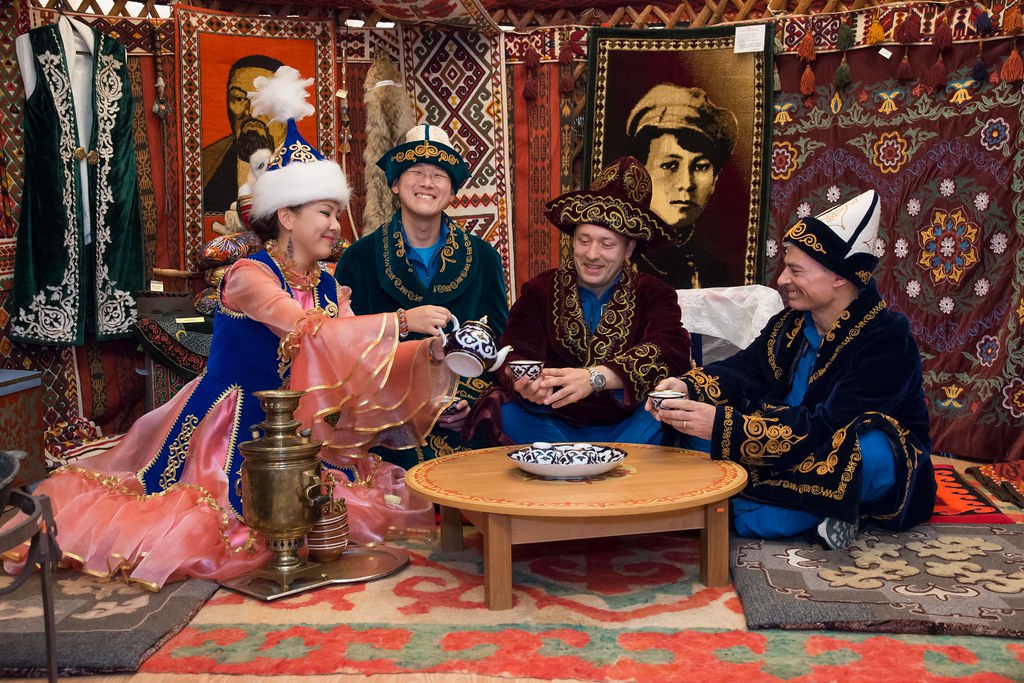

Family traditions are the threads that weave our lives together, connecting us to our history, our roots, and each other. They are the customs, rituals, and practices that have been passed down through generations, creating a sense of belonging and identity within a family. Whether it’s celebrating holidays, sharing meals, or participating in annual gatherings, these traditions hold a special place in our hearts and create lasting memories.
Importance of Family Traditions
Family traditions serve as the foundation of our cultural heritage and play a crucial role in shaping who we are as individuals and as a family unit. They provide a sense of stability, continuity, and belonging, creating a strong bond among family members. These traditions also foster a sense of identity by instilling values, beliefs, and customs that are unique to a particular family or culture. They provide a sense of security and familiarity, especially during times of change or uncertainty.
Moreover, family traditions have a profound impact on our emotional well-being. They create opportunities for connection, communication, and quality time spent together as a family. These shared experiences help build and strengthen relationships, creating a sense of warmth, love, and support. Research has shown that families who actively engage in traditions have higher levels of happiness, resilience, and overall well-being.
Evolution of Family Traditions Across Generations
As time passes and generations change, family traditions naturally evolve and adapt to the evolving needs and values of the family. What once may have been a simple tradition may transform into a more elaborate celebration or vice versa. For example, the way we celebrate holidays, such as Christmas or Thanksgiving, has evolved over time. Traditions that were once centered around religious practices may now focus more on family togetherness and creating meaningful experiences.
The evolution of family traditions can also be influenced by external factors such as societal changes, geographical relocations, and cultural assimilation. Families who have migrated to different countries may blend their own traditions with the local customs, creating unique hybrid traditions that reflect their multicultural identity. This evolution is a testament to the resilience and adaptability of family traditions, ensuring their continuation across generations.
How Family Traditions Shape Cultural Identity
Family traditions are an essential component of cultural identity, as they provide a tangible link to our cultural heritage. They serve as a vehicle for transmitting cultural values, beliefs, and practices from one generation to another. By participating in these traditions, we learn about our ancestral roots, understand our place in the world, and develop a sense of pride in our cultural heritage.
Family traditions also foster a sense of belonging and community. They create a shared identity among family members and help preserve cultural traditions, customs, and language. Through these traditions, we connect with our ancestors, honor their legacy, and pass on our cultural heritage to future generations.
How to Discover and Document Your Family’s Culture
Discovering and documenting your family’s culture can be an enriching and enlightening experience. Here are some steps to help you embark on this journey:
- Research and Explore: Start by researching your family history, tracing your roots, and understanding the cultural background of your ancestors. Look for old photographs, documents, or letters that can provide insights into your family’s past.
- Interview Family Members: Speak with older family members and ask them about their memories, stories, and experiences. Their firsthand accounts can offer valuable information about family traditions, customs, and cultural practices.
- Participate in Family Traditions: Engage actively in existing family traditions and celebrations. By immersing yourself in these experiences, you will gain a deeper understanding of your family’s culture and the significance of these traditions.
- Document and Preserve: Record your findings, stories, and memories in a family journal or digital archive. Include photographs, recipes, songs, or any other artifacts that are representative of your family’s culture. This documentation will serve as a valuable resource for future generations.
Popular Family Traditions from Around the World
Family traditions vary across different cultures and countries. Here are some examples of popular family traditions from around the world:
- Dia de los Muertos (Day of the Dead) – Mexico: A vibrant celebration honoring deceased loved ones with colorful altars, sugar skulls, and traditional foods.
- Hanami (Cherry Blossom Viewing) – Japan: Families gather under cherry blossom trees to enjoy picnics and appreciate the fleeting beauty of the blossoms.
- Midsummer – Sweden: Celebrated with bonfires, dancing around maypoles, and enjoying traditional Swedish foods like herring and strawberries.
- Chinese New Year – China: A festive celebration marked by family gatherings, fireworks, dragon dances, and the exchange of red envelopes filled with money.
These traditions not only provide a glimpse into the rich cultural diversity of our world but also inspire us to embrace and celebrate our own unique family traditions.
Unique and Creative Family Traditions to Start
Creating new family traditions can be a wonderful way to strengthen family bonds and make lasting memories. Here are some unique and creative ideas to get you started:
- Family Adventure Day: Designate a day each month for a family adventure. It could be exploring a new hiking trail, visiting a museum, or trying out a new activity together.
- Recipe Exchange: Encourage family members to share their favorite recipes and create a family cookbook. Each person can contribute a recipe along with a story behind it, creating a treasured keepsake.
- Gratitude Jar: Start a family tradition of expressing gratitude by keeping a jar where family members can write down things they are grateful for throughout the year. Read the notes together on New Year’s Eve.
- Family Book Club: Choose a book to read as a family and have regular discussions or even organize a mini book club gathering with extended family members.
These unique traditions will create special moments and memories that your family will cherish for years to come.
How to Pass Down Family Traditions to Future Generations
Preserving and passing down family traditions to future generations requires intentional effort and commitment. Here are some ways to ensure the continuation of your family traditions:
- Lead by Example: Be an active participant in family traditions and celebrations. Your enthusiasm and involvement will inspire younger generations to carry on these traditions.
- Document and Share: As mentioned earlier, document your family traditions and create a repository of memories for future generations. Share these stories, photographs, and artifacts with younger family members, instilling a sense of pride and connection.
- Involve Children: Encourage children to actively participate in family traditions by assigning them age-appropriate roles or tasks. This involvement will create a sense of ownership and belonging.
- Adapt and Evolve: Allow family traditions to evolve and adapt to the changing needs and interests of younger generations. Incorporate new elements or activities that resonate with younger family members while still maintaining the essence of the tradition.
By actively engaging younger generations and passing down the stories, values, and practices associated with family traditions, you ensure their preservation and continuation for years to come.
Challenges in Maintaining Family Traditions
While family traditions hold immense value, there can be challenges in maintaining them over time. Some common challenges include:
- Geographical Distance: Families often find it challenging to preserve traditions when members are spread across different locations. However, technology can help bridge the gap through virtual celebrations or sharing traditions via video calls.
- Changing Lifestyles: Modern lifestyles, work demands, and busy schedules can make it difficult to prioritize and dedicate time to family traditions. However, creating a sense of balance and carving out dedicated time for these traditions is crucial.
- Generational Differences: The interests, priorities, and values of younger generations may differ from those of older generations. Finding a balance between honoring existing traditions and incorporating new elements can help bridge this gap.
- Loss of Family Elders: The passing of older family members who were the keepers of traditions can make it challenging to maintain the same level of enthusiasm and knowledge. However, by actively involving younger family members and sharing stories, the legacy of these traditions can be preserved.
Despite these challenges, the enduring beauty and significance of family traditions make them worth preserving and nurturing.
Conclusion: The Enduring Beauty of Family Traditions
Family traditions are the threads that connect us to our past, anchor us in the present, and provide a roadmap for future generations. They shape our cultural identity, strengthen family bonds, and create lasting memories. Whether it’s celebrating holidays, sharing meals, or participating in unique traditions, these customs and rituals hold a timeless beauty that transcends generations.
As we explore and discover our family’s culture, let us cherish and embrace the traditions that have been handed down to us. Let us create new traditions that reflect our values, interests, and the evolving needs of our families. By passing down these traditions to future generations, we ensure the enduring legacy of our family’s culture and the timeless beauty of family traditions.

 BLUE MINE FAMILY