
The importance of family traditions
Family traditions hold a special place in our hearts. They are the thread that weaves generations together, creating a sense of belonging and unity. These traditions provide a sense of stability and comfort, reminding us of our roots and nurturing our identity. Whether it’s a weekly Sunday dinner, an annual vacation, or a yearly holiday celebration, family traditions have the power to strengthen the bonds between family members and create lasting memories.
Family traditions offer a sense of continuity in an ever-changing world. They provide a framework for families to connect with one another and reinforce shared values. These traditions often carry deep meaning and symbolism, reflecting the unique history and culture of a family. They serve as a reminder of who we are and where we come from, grounding us in our heritage and shaping our sense of self.
How family traditions create lasting memories
Family traditions have the remarkable ability to create lasting memories that stay with us throughout our lives. When we engage in these rituals, we are not just going through the motions; we are actively participating in the creation of memories that will be cherished for years to come. Whether it’s the laughter shared during a game night or the warmth felt while decorating the Christmas tree, these moments become etched in our minds and hearts.
Research shows that family traditions have a profound impact on our emotional well-being. The shared experiences and connections formed during these traditions help to foster a sense of belonging and security. They provide a safe space for families to come together, celebrate, and support one another. These positive emotions and memories contribute to our overall happiness and resilience, helping us navigate life’s challenges with a sense of strength and purpose.
Types of family traditions
Family traditions can take many forms, ranging from simple daily rituals to elaborate annual celebrations. They can be passed down from generation to generation or created anew. Here are some common types of family traditions:
- Daily Rituals: These are small, regular activities that families engage in on a daily basis, such as eating meals together, bedtime stories, or evening walks. These rituals provide a sense of stability and connection in the midst of busy schedules.
- Holiday Traditions: Many families have traditions that are specific to holidays such as Christmas, Thanksgiving, or Easter. These may include decorating the house, preparing special meals, or exchanging gifts. These traditions add a sense of magic and anticipation to the holiday season.
- Special Occasions: Families often have traditions for birthdays, anniversaries, or other significant milestones. These may include specific activities or rituals that are unique to each family, such as a special birthday breakfast, a yearly camping trip, or a family talent show.
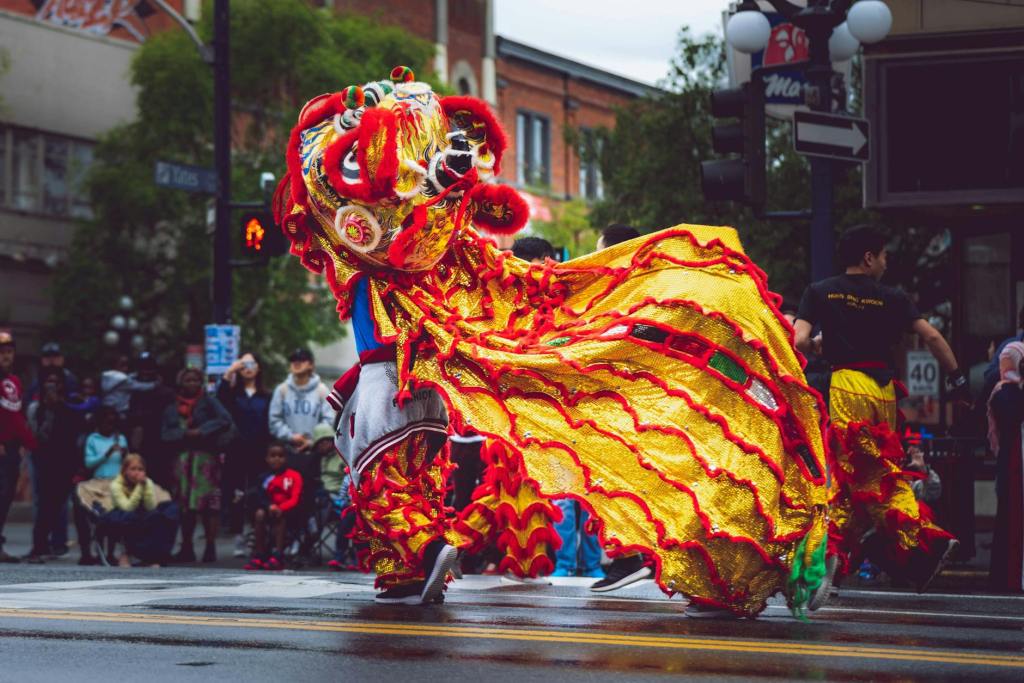
- Cultural Traditions: Families may have traditions that are rooted in their cultural or ethnic background. These traditions can include language practices, traditional foods, or celebrations of cultural holidays and festivals. These rituals help to preserve and honor a family’s heritage.
How to start a new family tradition
Starting a new family tradition can be an exciting endeavor that brings your loved ones closer together. Here are some steps to help you get started:
- Identify Values and Interests: Begin by considering the values and interests that are important to your family. What activities or experiences align with these values? This will provide a foundation for your new tradition.
- Involve Everyone: Include all family members in the decision-making process. Take the time to listen to each person’s ideas and preferences. This will ensure that the tradition is meaningful and enjoyable for everyone involved.
- Start Small: Don’t feel pressured to create an elaborate tradition right from the start. Begin with a simple activity or ritual that can be easily incorporated into your routine. As time goes on, you can build upon this foundation and expand the tradition.
- Be Consistent: Consistency is key when it comes to family traditions. Make a commitment to regularly engage in the activity or ritual. This will help solidify the tradition and create a sense of anticipation and excitement.
- Adapt and Evolve: Family traditions can evolve and change over time. Be open to adapting the tradition to meet the changing needs and interests of your family. This flexibility will ensure that the tradition remains relevant and enjoyable for years to come.
Keeping family traditions alive
Family traditions are not static; they require effort and intentionality to keep them alive. Here are some strategies to help you maintain and sustain your family traditions:
- Prioritize the Tradition: Make the tradition a priority in your family’s schedule. Set aside dedicated time to engage in the activity or ritual. This will demonstrate the importance of the tradition and ensure its continuity.
- Pass Down the Tradition: Involve younger family members in the tradition from an early age. Teach them the significance and meaning behind the tradition. This will create a sense of ownership and responsibility, ensuring that the tradition is passed down to future generations.
- Document the Tradition: Take the time to document your family traditions through photographs, videos, or journals. This will help preserve the memories associated with the tradition and create a lasting record for future generations to enjoy.
- Embrace Change: As families grow and change, so too will their traditions. Embrace change and be open to modifying the tradition to accommodate new family dynamics and interests. This flexibility will ensure that the tradition remains relevant and inclusive.
Incorporating family traditions into special occasions
Special occasions provide the perfect opportunity to incorporate family traditions into your celebrations. Whether it’s a birthday, anniversary, or holiday, these traditions add depth and meaning to the occasion. Here are some ideas for incorporating family traditions into special occasions:
- Birthday Traditions: Create a special birthday tradition that is unique to each family member. This could include a favorite meal, a birthday interview, or a yearly birthday outing. These traditions will make each birthday feel truly special and memorable.
- Anniversary Traditions: Celebrate your love and commitment by creating anniversary traditions. This could include revisiting the place where you first met, exchanging handwritten love letters, or recreating your wedding menu. These traditions will help you reflect on your journey together and create new memories.
- Holiday Traditions: Infuse your holiday celebrations with family traditions that have been passed down through the generations. Whether it’s baking holiday cookies, singing carols, or hosting a family talent show, these traditions will create a sense of warmth and nostalgia.
- Milestone Traditions: Commemorate important milestones in your family’s life by creating special traditions. This could include a family trip to mark a graduation, a yearly family photo on the first day of school, or a special ceremony to celebrate a promotion. These traditions will help you mark these significant moments and create lasting memories.
Family tradition ideas for different seasons and holidays
Family traditions can be tailored to different seasons and holidays, adding an extra layer of excitement and anticipation. Here are some family tradition ideas for different seasons and holidays:
- Spring: Plant a family garden together, go on a nature hike to spot wildflowers, or have a family picnic in the park to welcome the arrival of spring.
- Summer: Have a weekly family movie night outdoors, build sandcastles at the beach, or create a family summer bucket list filled with fun activities to do together.
- Autumn: Go apple picking and make homemade applesauce, have a pumpkin-carving contest, or take a scenic drive to admire the fall foliage.
- Winter: Decorate the house as a family, bake holiday cookies, or have a family game night by the fireplace. Embrace the magic of the holiday season with traditions like watching a favorite holiday movie or going ice skating.
The impact of family traditions on children
Family traditions play a crucial role in a child’s development and well-being. They provide a sense of stability and security, fostering a strong sense of identity and belonging. Here are some ways family traditions impact children:
- Emotional Security: Family traditions create a safe and nurturing environment for children. They provide a sense of predictability and routine, helping children develop a sense of emotional security.
- Sense of Belonging: Family traditions reinforce a child’s sense of belonging and connectedness. They help children understand their place within the family and foster a strong bond with their relatives.
- Values and Morals: Family traditions often embody the values and morals that parents wish to instill in their children. They provide a framework for teaching important life lessons and shaping a child’s character.
- Childhood Memories: Family traditions create cherished childhood memories that stay with children throughout their lives. These memories provide a sense of nostalgia and serve as a source of comfort and happiness.
Sharing family traditions with future generations
Family traditions have the power to transcend generations, creating a sense of legacy and continuity. Here are some ways to share family traditions with future generations:
- Tell Stories: Share stories and anecdotes about the origins and significance of family traditions. This will help future generations understand the meaning and importance behind these rituals.
- Pass Down Recipes: Share family recipes and cooking traditions with younger family members. Encourage them to learn and carry on these culinary traditions, ensuring that they remain a part of your family’s heritage.
- Create Tradition Binders: Compile a collection of photographs, recipes, and written accounts of your family traditions. Create a tradition binder that can be passed down to future generations as a keepsake and source of inspiration.
- Celebrate Heritage: Teach younger family members about their cultural or ethnic heritage through traditions that reflect these roots. This will help them develop a sense of pride in their heritage and keep these traditions alive.
Conclusion
Family traditions have the power to create lasting memories and strengthen the bonds between family members. They provide a sense of stability, identity, and belonging in an ever-changing world. Whether it’s a simple daily ritual or an elaborate annual celebration, family traditions enrich our lives and nurture our souls. By starting new traditions, keeping old ones alive, and incorporating them into special occasions, we can create a tapestry of memories that will be cherished for generations to come. So, embrace the power of family traditions and unlock the magic of creating lasting memories.

 BLUE MINE FAMILY